Not all property damage starts with a major storm or sudden emergency. In fact, many of the most costly losses we respond to each year begin as small, preventable issues, slow leaks, clogged gutters, aging roofs, or moisture that goes unnoticed in basements and crawlspaces.
When these early warning signs are missed, they often escalate into larger claims involving structural damage, mold growth, and extensive repairs.
Below are the most common preventable types of property damage we see across homes and cottages, supported by industry data and our own experience in the field.
Basement Water Intrusion
Basement water damage is one of the most frequent and expensive issues homeowners face. Water can enter through foundation cracks, poor drainage, hydrostatic pressure, plumbing failures, or improperly sealed windows. Once moisture is inside, it often spreads into framing,
drywall, insulation, and stored belongings. Basement moisture can lead to mold growth within 24–48 hours, according to the EPA. It also weakens structural materials, especially in homes or cottages that sit closed up for months.
Prevention:
● Keep gutters and downspouts clear
● Ensure grading slopes away from the home
● Test sump pumps
● Inspect basements after heavy rain
Roof Leaks
Roof leaks often begin with small failures, missing shingles, flashing gaps, or ice‑dam damage, and gradually allow water into ceilings, insulation, and walls. Across the country, roof leaks remain one of the top causes of residential water damage claims. Slow roof leaks feed hidden moisture, which is one of the leading contributors to mold growth and long‑term structural deterioration.
Prevention:
● Schedule seasonal roof inspections
● Clear debris from gutters and roof valleys
● Address ice dams promptly
Frozen or Burst Pipes
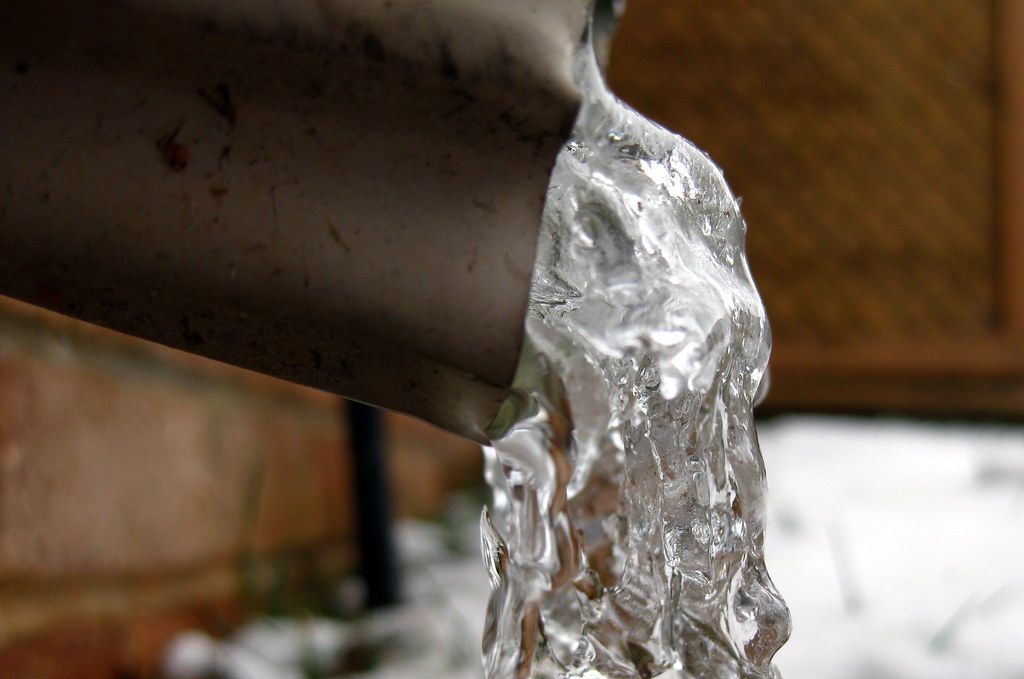
In colder climates like Northern Michigan, frozen pipes are a major driver of winter and early‑spring losses. When pipes freeze, they can burst and release hundreds of gallons of water in minutes, often while the homeowner is away.
Prevention:
● Keep heat on in vacant homes
● Insulate exposed pipes
● Drain water lines in seasonal cottages
Mold Growth
Every mold problem starts with moisture. The EPA notes that mold can begin growing on wet materials within 24–48 hours, making early detection essential. Mold is commonly linked to slow plumbing leaks, damp basements, roof leaks, and poor ventilation. Mold commonly
develops from slow plumbing leaks, damp basements, roof leaks, and areas where condensation builds due to poor airflow. These moisture sources often go unnoticed at first, but they create the conditions mold needs to grow and spread.
Prevention:
● Address leaks immediately
● Use dehumidifiers in basements and crawlspaces
● Improve ventilation in kitchens and bathrooms
Appliance Failures
Washing machines, dishwashers, water heaters, and refrigerators are responsible for a significant portion of preventable water losses. Aging supply lines and worn components are among the top causes of household leaks.
Prevention:
● Replace old supply lines
● Inspect appliances annually
● Install leak detectors in high‑risk areas
Crawlspace Moisture
Crawlspaces are especially vulnerable to moisture due to poor drainage, high humidity, and limited ventilation. When moisture accumulates, it can lead to mold growth, wood rot, and poor indoor air quality throughout the home.
Prevention:
● Install vapor barriers
● Improve drainage around the foundation
● Use dehumidification when needed
How Paul Davis Helps
When preventable issues turn into unexpected damage, Paul Davis provides fast, professional mitigation to reduce claim severity and protect property value. Our teams use industry‑leading moisture detection, drying, and documentation processes to ensure losses are handled
thoroughly and correctly.
Whether it’s a flooded basement, a roof leak, or moisture discovered in a cottage after months away, we’re here to guide homeowners through every step of the restoration process with clear communication and trusted expertise.