As temperatures drop across Northern Michigan, heating systems, fireplaces, and seasonal decorations become part of daily life. Unfortunately, colder weather also brings an increased risk of residential and commercial fires.
During Fire Prevention Week, it’s a great time to review common fire hazards and take simple steps to help protect your family, employees, customers, and property from preventable fire damage.
While no one expects a fire emergency, preparation and prevention can make a significant difference.
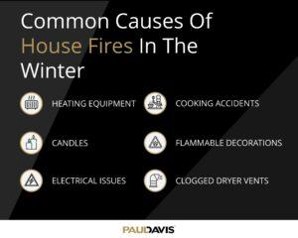
Common Causes of House Fires
As temperatures begin to drop across the Mitten State, fire risks increase due to heating equipment, electrical usage, and everyday household activities.
- Heating equipment: Space heaters, furnaces, and fireplaces can overheat or ignite nearby objects if misused.
- Candles: Unattended candles cause nearly 20 home fires per day, according to the NFPA.
- Electrical issues: Overloaded outlets and faulty wiring increase fire risks, especially when holiday lights and heaters are used.
- Cooking accidents: Unattended cooking is a leading cause of kitchen fires, which spike during the holiday season.
- Flammable decorations: Seasonal and paper decorations can ignite quickly if placed too close to decorative lights or other heat sources.
- Clogged dryer vents: Lint buildup in dryer vents can spark fires when exposed to high temperatures.
Prevention Tips for Homes
Taking proactive steps to minimize fire hazards can help keep your home and family safe. Consider these fire prevention measures:
- Use Heating Equipment Safely
Keep space heaters at least 3 feet away from flammable objects, and never leave them unattended. Have furnaces and fireplaces inspected annually to prevent malfunctions.
- Be Cautious With Candles
Use flameless LED candles whenever possible. If using traditional candles, keep them away from flammable materials and never leave them burning while you sleep or leave the room.
- Avoid Overloading Electrical Outlets
Plug space heaters and large appliances directly into wall outlets rather than power strips. Check extension cords for damage before use.
- Keep a Fire Extinguisher on Hand
Have up-to-date fire extinguishers in the kitchen, living areas, and near heating equipment. Learn how to use them properly.
- Practice Safe Cooking Habits
Never leave cooking food unattended, and keep flammable items away from stovetops. If a grease fire starts, smother it with a lid instead of using water.
- Clean Your Dryer Vents Regularly
Lint buildup is highly flammable. To prevent blockages, clean the lint trap after each use and schedule annual vent inspections.
What To Do After a Fire
Even with proper prevention, accidents can still happen.
If your home or business experiences fire, smoke, or soot damage, acting quickly can help minimize additional damage and begin the recovery process.
The team at Paul Davis of Northwest Michigan provides 24/7 emergency response, fire and smoke damage cleanup, contents restoration, odor removal, and reconstruction services throughout the region.
With decades of experience and IICRC-certified technicians, Paul Davis is the trusted choice for fire restoration.
Taking a few preventative steps today can help protect your home or business and reduce the risk of fire damage throughout the colder months ahead.
Fire, Smoke, or Soot Damage? We’re Here to Help.
📞 231-933-9077